
Formal validity
Under the Conflict of Laws Act 1938, a will's form is valid if it follows the testator's national law or the law of the place where it was made.
A will made abroad can apply to Thai assets if made in the form of the place of making or the testator's national law. File it with a Thai court with the original or certified copy, authentication and Thai translation.
A will made abroad can apply to Thai assets if made in the form of the place of making or the testator's national law. File it with a Thai court with the original or certified copy, authentication and Thai translation.
This page explains using a foreign will in a Thai court. General information, not legal advice on your situation; each agency's requirements may change.
Under the Conflict of Laws Act 1938, a will's form is valid if it follows the testator's national law or the law of the place where it was made.
Even if formally valid, transfers of Thai immovable property follow Thai law, including restrictions on foreign land ownership.
Prepare the original or a copy certified by the foreign court or authority, plus any foreign probate order.
Foreign documents usually need notarisation and legalisation through the applicable channel, then a certified Thai translation.
Thai courts may require evidence of the foreign formal requirements, such as an expert opinion on that law.
Check dates and revocation clauses, as a later will may revoke earlier ones to the extent of conflict.
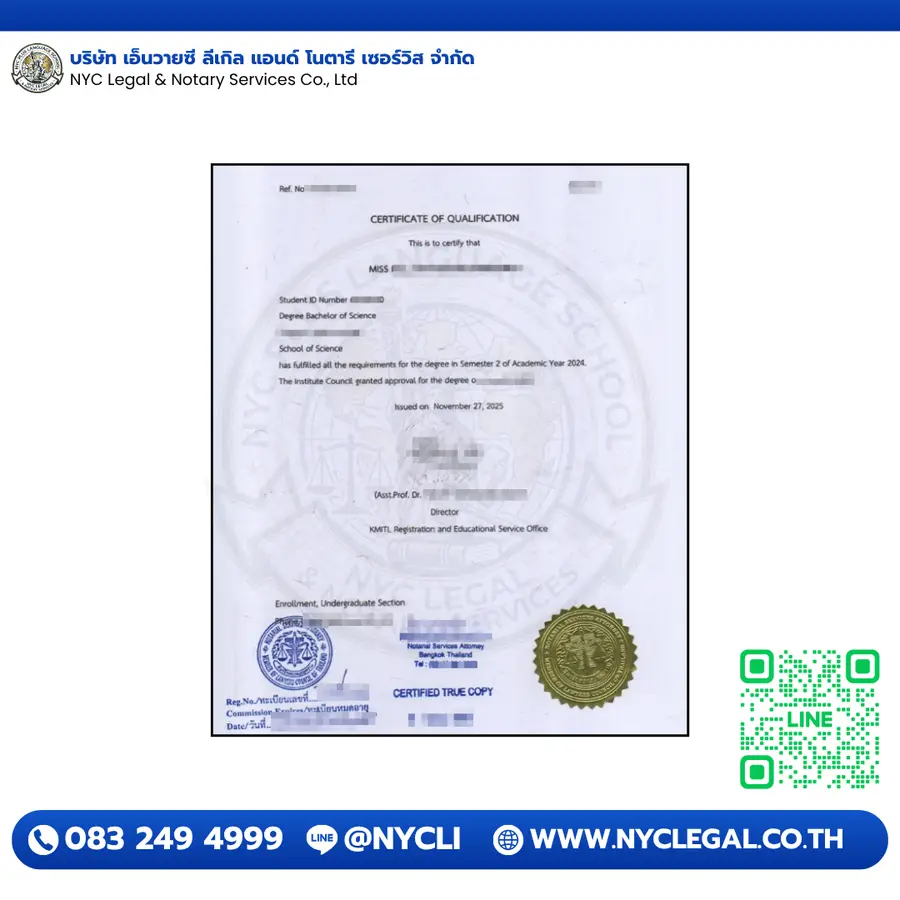
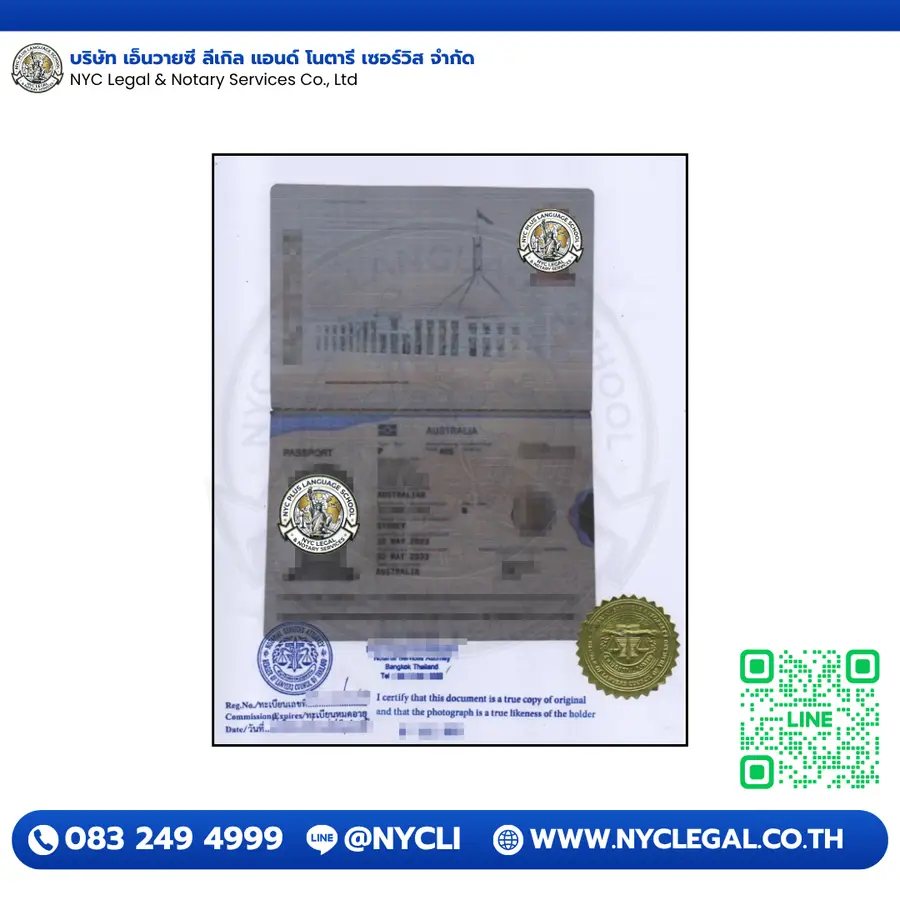
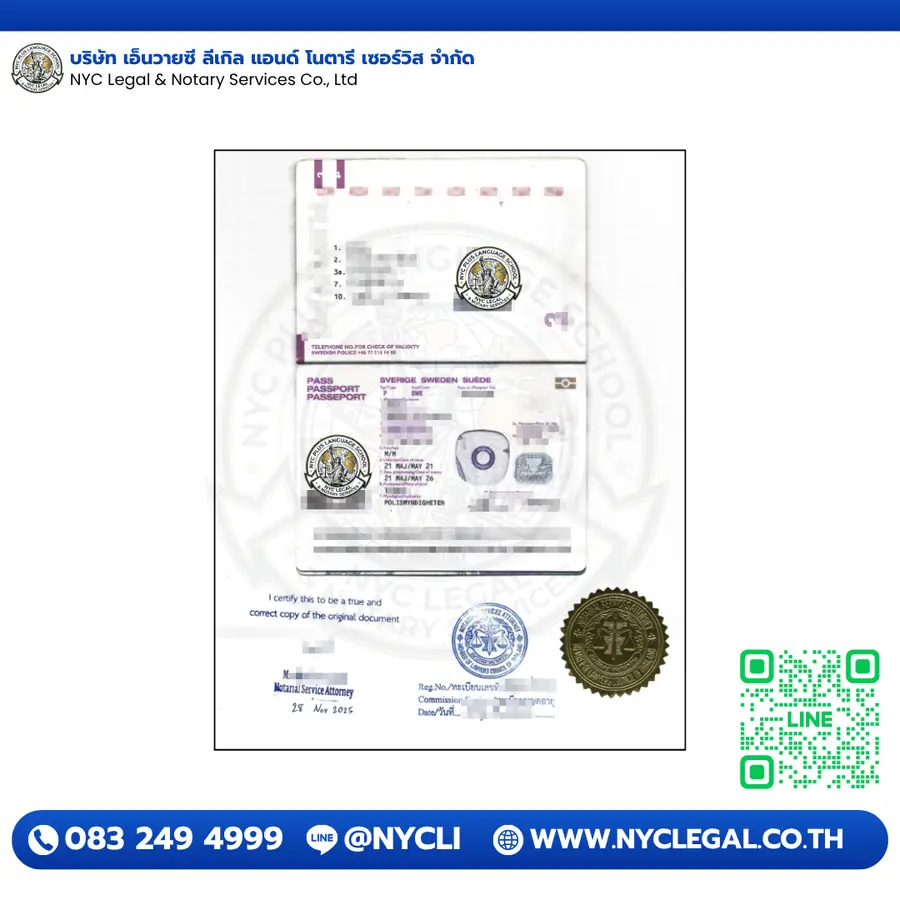
Full coverage
Documents accepted nationwide
Ask our team; confirmed in writing before work starts
Most clients pair these services together
Fees and turnaround depend on the document type and receiving authority — please contact our staff by phone, LINE or email.