
Non-B from abroad
Embassies usually want an employer invitation, company documents and sometimes a police certificate; check that embassy's list.
Non-Immigrant B is the most common visa for foreign employees. The usual route is a Non-B from a Thai embassy or an in-country change where allowed, then the work permit, then an annual extension of stay at Immigration.

Non-Immigrant B is the most common visa for foreign employees. The usual route is a Non-B from a Thai embassy or an in-country change where allowed, then the work permit, then an annual extension of stay at Immigration.
This page is for employees holding or seeking a Non-B. Based on the Royal Decree on Managing the Work of Foreigners 2017 as amended and Department of Employment notices; criteria may change, so check the latest notice before filing.
Embassies usually want an employer invitation, company documents and sometimes a police certificate; check that embassy's list.
Some entrants can change to Non-B in Thailand, depending on entry type and remaining stay.
Non-B visa, then work permit, then use the permit for the extension of stay.
Immigration considers salary, tax withheld and company status under the order in force at filing.
Spouses and children may hold dependant Non-O visas but need their own permit to work.
Continuous stays over 90 days require address reports every 90 days.
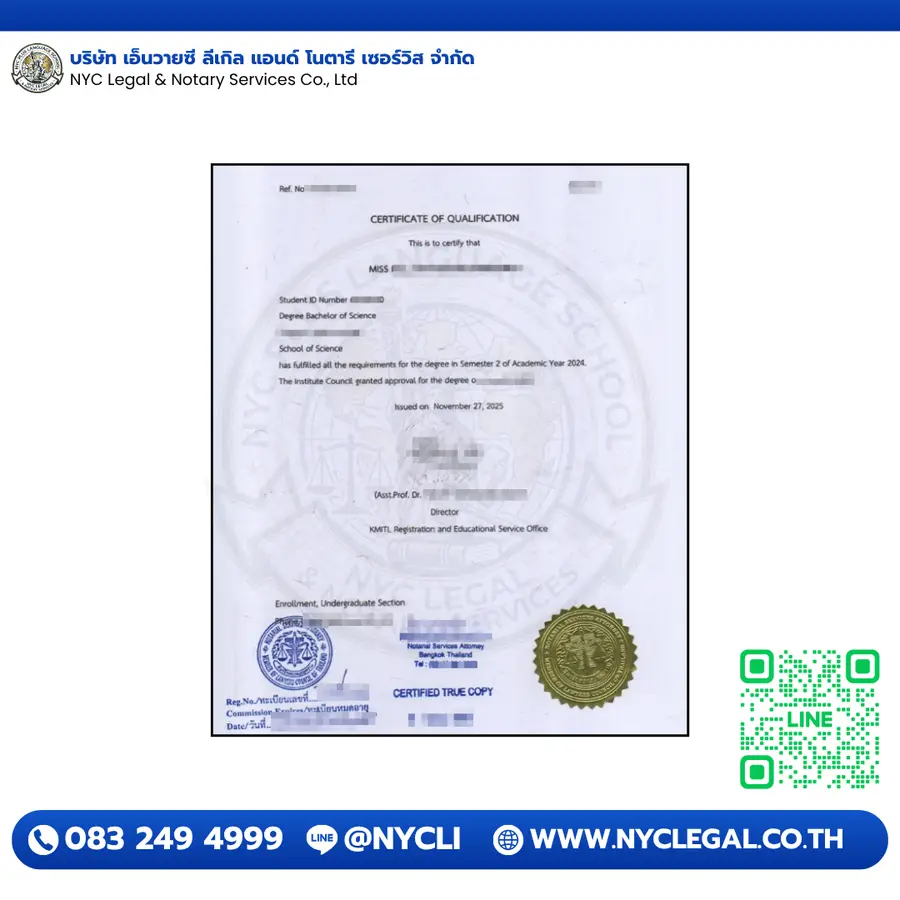
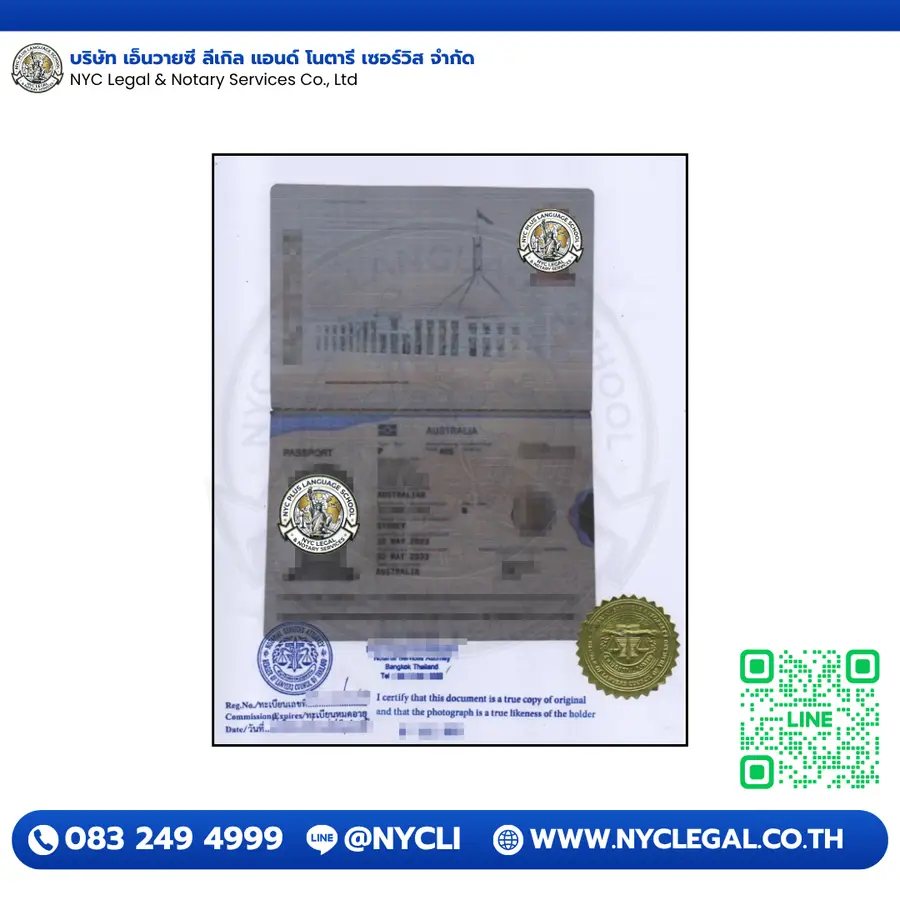
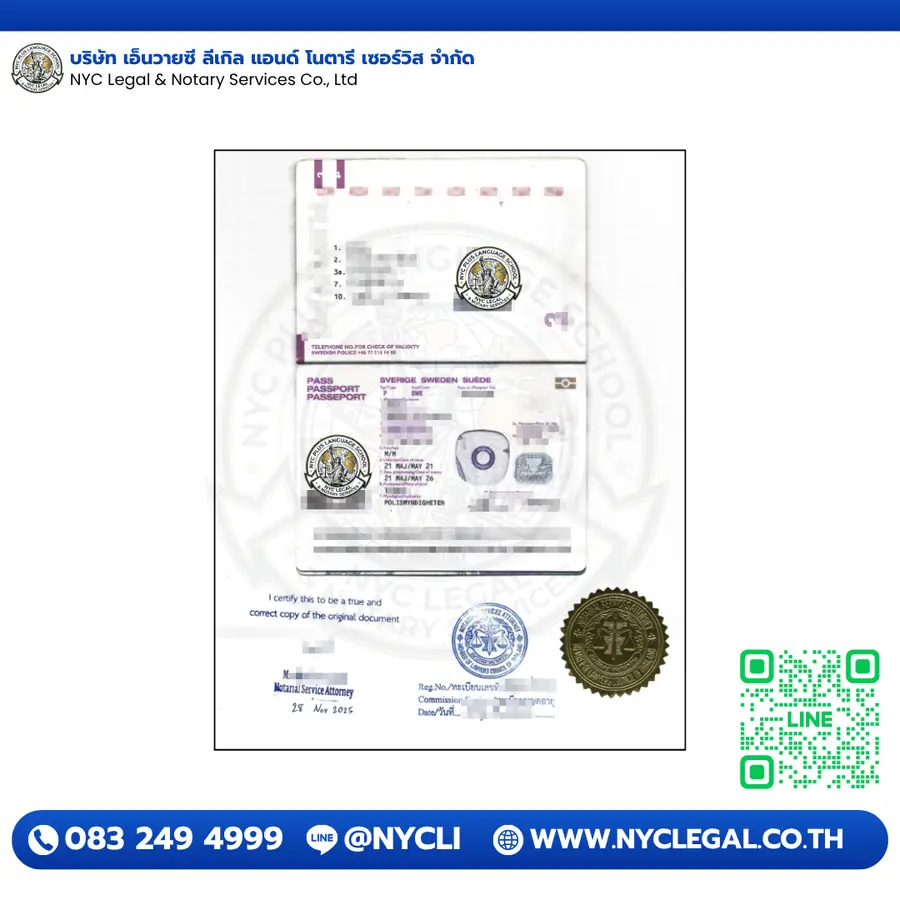
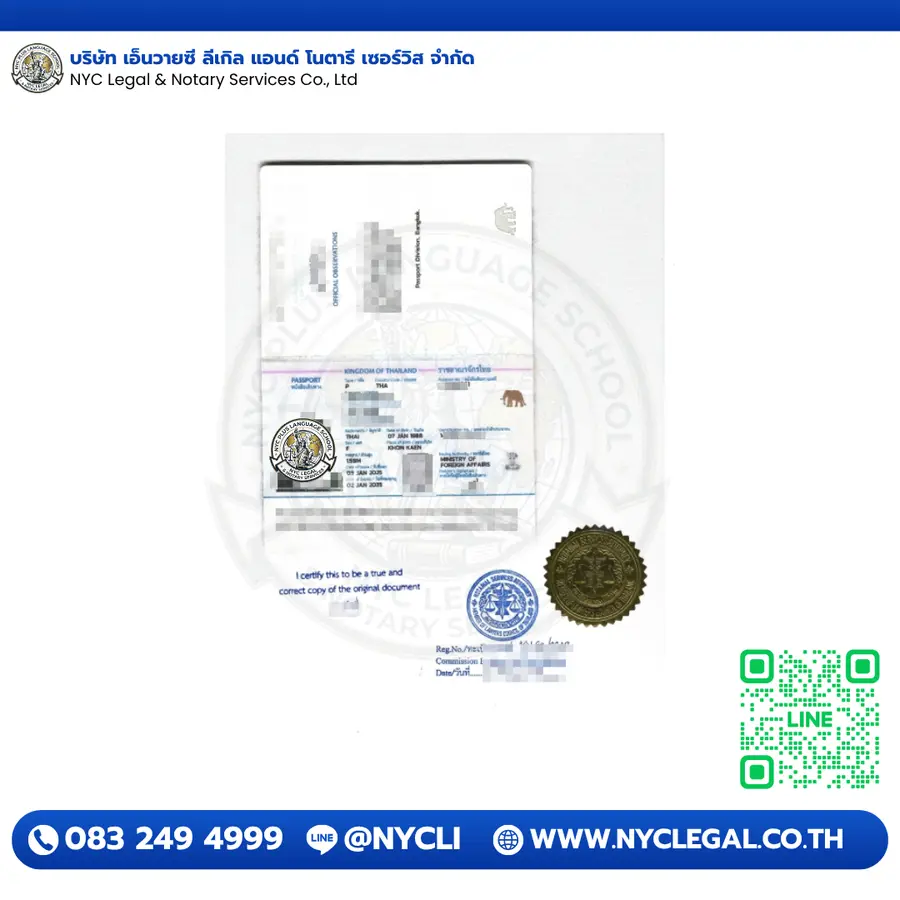
Full coverage
Documents accepted nationwide
Ask our team; confirmed in writing before work starts
Most clients pair these services together
Fees and turnaround depend on the document type and receiving authority — please contact our staff by phone, LINE or email.