
Parental Consent Letter for a Child Travelling Abroad, Questioned at Check-In and Again at the Border
6 min read · Updated 2026-08-12
In short
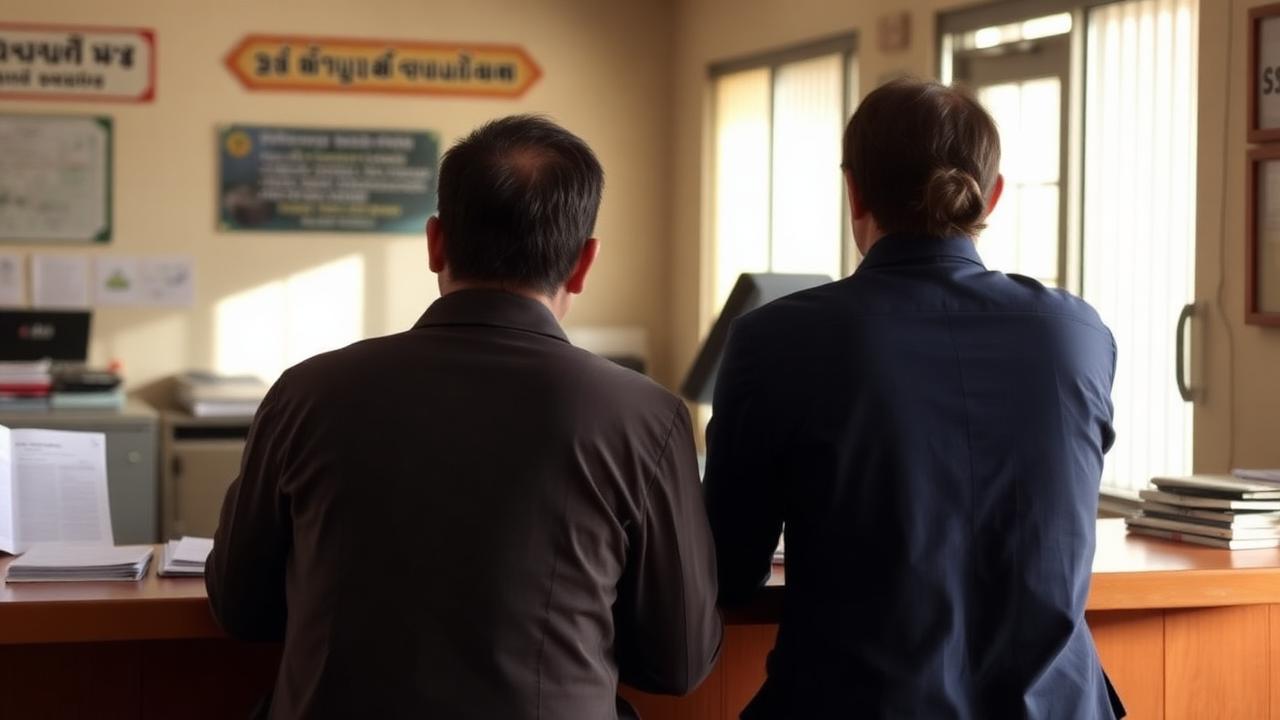
One parent travelled with a child on a handwritten consent letter with no witnessed signature and no translation. Airline staff and the destination border officer both stopped the file.
The situation
A Thai mother travelled with her nine-year-old child to stay with relatives abroad during the school break. The father did not travel. He wrote a consent letter by hand and attached a photocopy of his Thai ID card, which the family assumed would be enough.
Why the file stalled
Airlines and destination immigration officers need a document they can verify — proof that the absent parent genuinely signed, and text they can read. A handwritten Thai-language letter with an unverified signature satisfies neither test, so the family was questioned at the check-in counter and again on arrival.
Documents in the bundle
- Parental consent letter signed before a notarial services attorney
- Thai national ID cards or passports of both parents
- Child's birth certificate showing both parents' names
- House registration (Tabien Baan) of the child
- Certified English translation of the consent letter and birth certificate
- Custody order or the absent parent's death certificate, where one parent has sole custody
How it was sequenced
1. Confirm who must actually sign
Legal parentage on the Thai birth certificate governs the consent, not who lives with the child. Where a father was never registered as the legal father, a consent letter from him carries little weight and a different document is needed.
2. Sign the consent in front of a notarial services attorney
The absent parent signs in person with photo ID. The attorney records the identification and certifies the signature, which is what converts a private letter into something a border officer can rely on.
3. Include the travel specifics in the wording
Travel dates, destination country, the accompanying adult's full name and passport number, contact details of the consenting parent, and a clear statement of consent to travel and to accommodation abroad. Vague, open-ended letters invite questions.
4. Produce a certified translation into the destination language
The letter, and usually the birth certificate, are translated with a translator's certification attached. Name spellings are matched exactly to the passports carried on the trip.
5. Add legalisation only when the destination requires it
Some destinations accept the notarised and translated letter as-is; others expect Department of Consular Affairs legalisation, and occasionally embassy certification. We confirm before adding stages that cost days.
Pitfalls to avoid
- A handwritten letter with an unwitnessed signature — nothing on it can be verified at a counter.
- Thai-only wording with no translation for the destination border officer.
- Name spellings on the letter that do not match the passports being presented.
- Omitting travel dates and the accompanying adult's passport number, which makes the consent unverifiable against the boarding party.
- Assuming a single letter covers repeat trips — most authorities read consent as trip-specific.
The advisory call
The advisory judgement is about proportion: enough formality that the document survives two separate checkpoints, without dragging the family through legalisation stages the destination never asked for. We work backwards from the airline's rules and the destination's entry requirements, then write the letter once so it holds at both.
Where the file landed
The rebuilt file — notarised consent, certified translation and matching supporting documents — cleared check-in without escalation and was accepted at the destination border on the next trip.
Frequently asked questions
Does a parental consent letter have to be notarised?
No law forces it, but in practice airlines and immigration officers rely on the attorney's signature certification because it is the only part of the letter they can verify. An uncertified letter is routinely challenged.
What if the other parent cannot be located?
Then the consent letter is the wrong instrument. You will normally need evidence of sole custody, a court order, or a death certificate, translated and certified for the destination. Tell us the situation and we will map the correct document rather than fitting the wrong one.
Do grandparents or relatives travelling with the child need anything extra?
Yes. The letter should name the accompanying adult and their passport number, and it helps to carry proof of relationship, such as the child's birth certificate plus the parent's own birth certificate, with translations.
Is this a real client file?
No. Every case on this page is a composite written from recurring patterns in our practice, with all identifying detail removed. It is published to show how a file is sequenced, not to promise the same result — requirements change by authority, destination and document type.
Can you run the whole chain for me instead?
Yes, and that is what most clients ask for. Send a photo of what you already hold, the destination country and the receiving authority to LINE @Thainotary or call 094-895-8999. We map the correct chain first, tell you what is missing, and then handle the certification, translation and submission steps end to end.
Would you rather we handled it?
Our practitioners map the chain before anything is filed, deal with the authorities and report at each stage. Call 094-895-8999 or message LINE @Thainotary.